(As an Amazon Associate I earn from qualifying purchases)
In an unpredictable world, building a reliable food stockpile that doesn’t rely on electricity or constant grocery runs has become a smart priority for many families. What if you could prepare nutrient-dense foods that last years without refrigeration—drawing from the same forgotten recipes that helped our ancestors survive wars, depressions, and famines?
That’s exactly what The Lost SuperFoods: 126+ Survival Foods and Tips for Your Stockpile delivers. This 270-page hardcover guide, authored by survival experts Claude Davis, Fred Dwight, and Lex Rooker, uncovers over 126 long-lost superfoods and preservation techniques. These aren’t fancy exotic items—they’re practical, affordable recipes using everyday ingredients that provide protein, healthy fats, and carbs to keep you energized even in tough times.
Check Out The Lost SuperFoods on Amazon Now (As an Amazon Associate, I earn from qualifying purchases—at no extra cost to you.)
Don’t Have Amazon? Check it out here.
Why These “Lost” Foods Matter Today
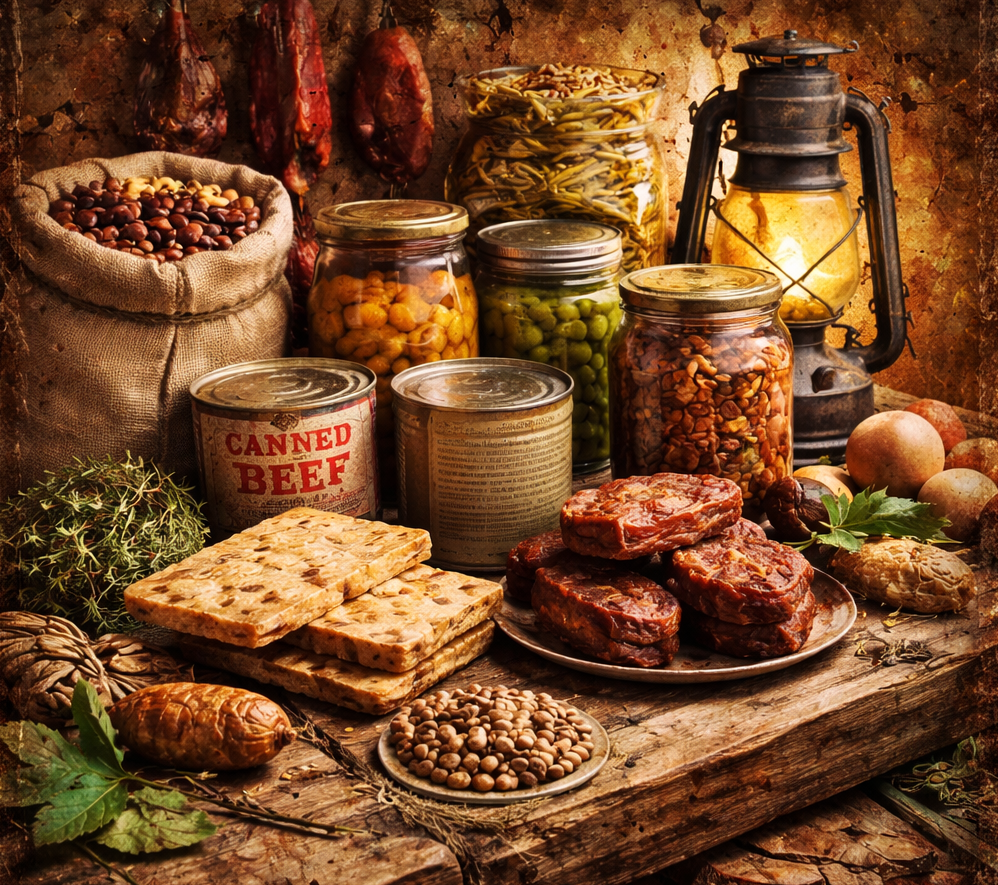
Our grandparents and earlier generations knew how to make food last. They stockpiled items that stayed good for 3–60 years in a simple pantry. The book revives this knowledge with clear, step-by-step instructions (complete with color pictures) so anyone can follow along—no advanced cooking skills required.
Highlights include:
- The US Doomsday Ration — A secret Cold War-era military superfood designed to feed populations in extreme scenarios.
- The Ninja Superfood — The compact, nutrient-packed provision that sustained Japan’s elite warriors during month-long missions.
- Pemmican — The legendary trail food that powered explorers like Lewis and Clark through harsh journeys.
- Fermented soups (like Turkish Tarhana) — A probiotic-rich staple that lasted years and provided essential B vitamins during crop failures.
- Amish Poor Man’s Steak, Biltong (African-style dried meat), Ghee, Fruit Leather, and many more.
The book also covers practical tips like safe canning for 20+ years, dehydrating the best 50 foods, preventing rancidity, avoiding common canning mistakes, building a cheap DIY food bucket, and even what to do with frozen food during a power outage.
Readers praise its organization—each superfood gets its own chapter with history, nutrition details, and exact recipes. It’s empowering for preppers, homesteaders, or anyone wanting more food independence without breaking the bank.
Who Should Add This to Their Library?
If you’re concerned about supply chain issues, rising food costs, or simply want to build a resilient pantry, this book offers real value. It’s not just theory—it’s actionable knowledge that can help you and your loved ones stay well-fed and healthy when it matters most.
Many who bought it during uncertain times report feeling more prepared and even excited to try recipes like homemade Biltong with their families.
Ready to unlock these forgotten survival foods and strengthen your stockpile?
Check Out The Lost SuperFoods on Amazon Now (As an Amazon Associate, I earn from qualifying purchases—at no extra cost to you.)
Don’t Have Amazon? Check it out here.
Don’t wait for the next crisis to wish you had this knowledge. Grab your copy today and start building a pantry that stands the test of time! Your future self (and family) will thank you.